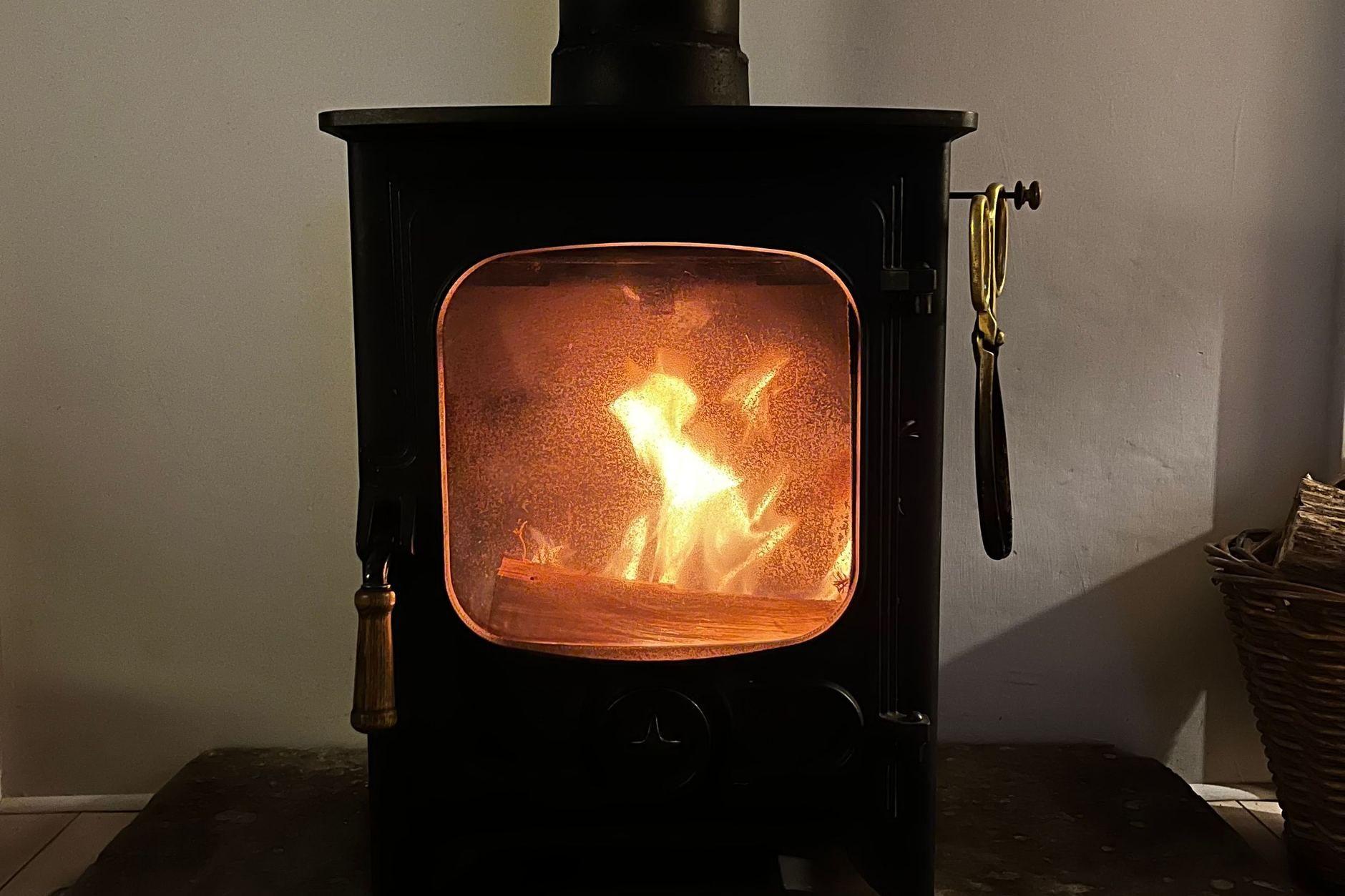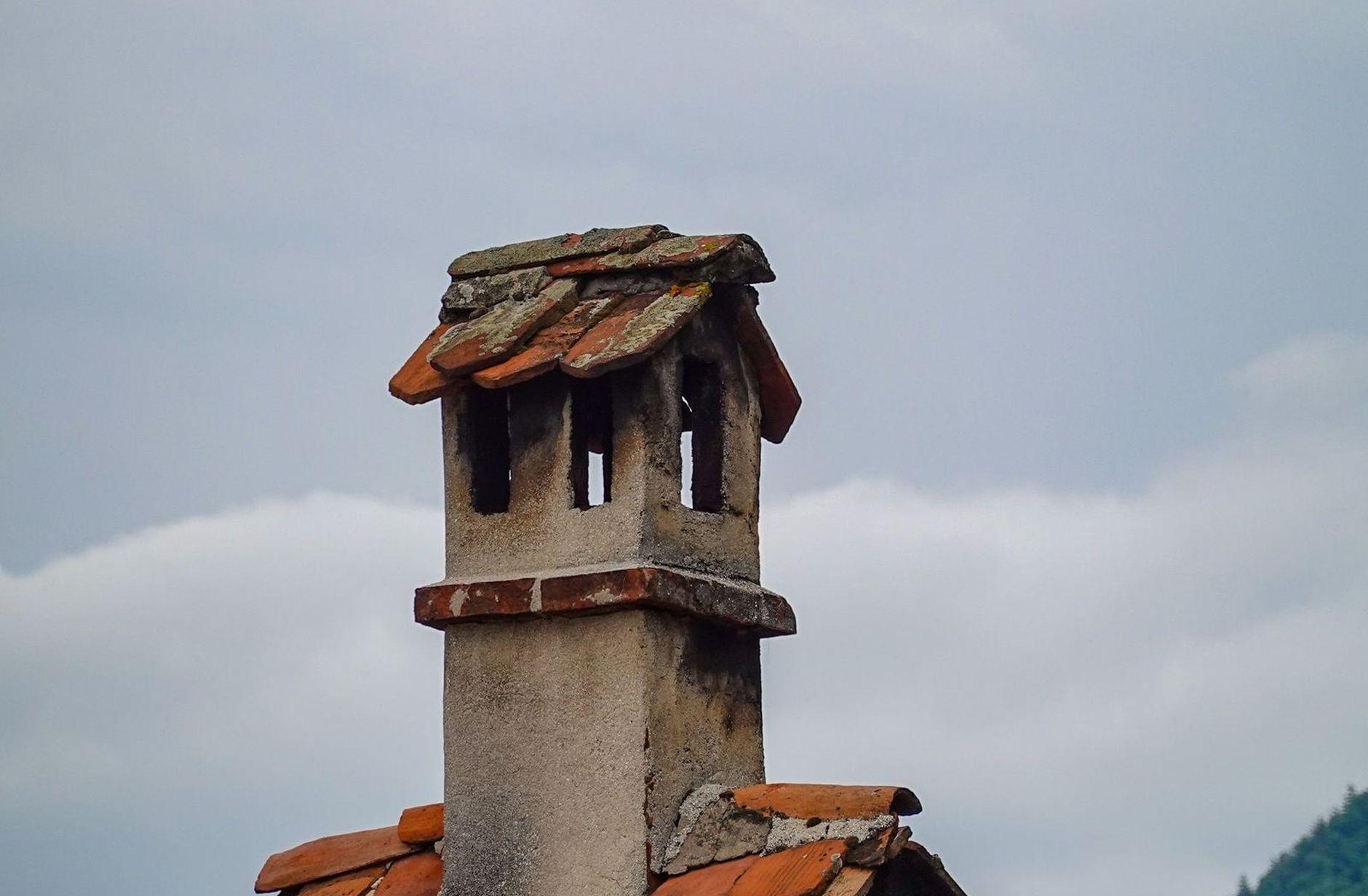
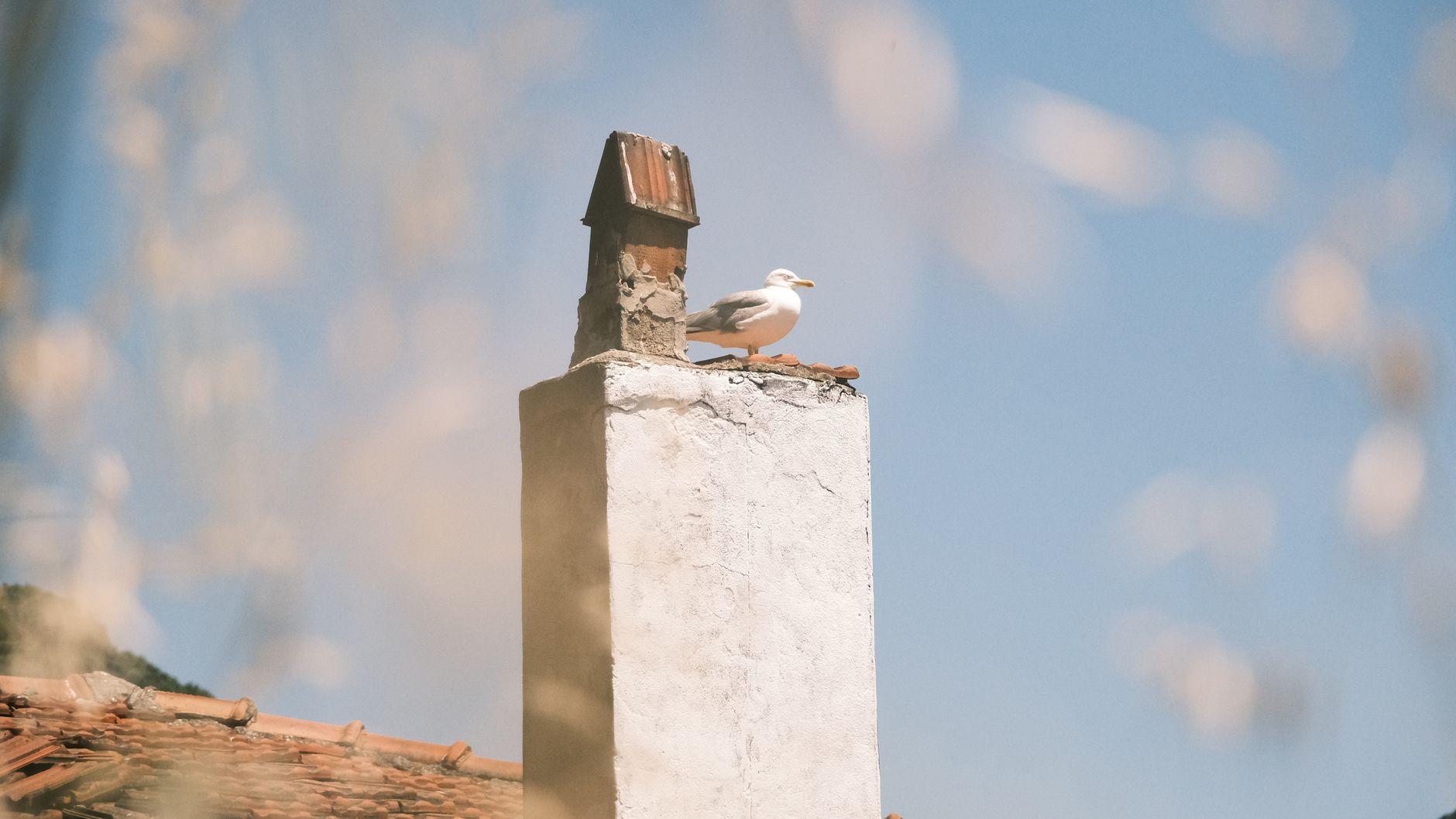
On a brick chimney, a cap is an add-on. On a factory-built chimney it is part of the chimney. That one difference explains most of what follows about cost, fit and why a cap that looks fine can still fail a Level 2 in Lomita.
What the cap does on a prefab system
A factory-built chimney is a run of metal pipe sections, usually double or triple wall, with air moving between the layers to keep the outer skin cool. The termination cap at the top is shaped to let that air move, to keep rain off the inner flue and to stop sparks leaving. The maker tested the pipe with its own cap fitted, and the listing covers that pairing.
A generic cap clamped over the pipe can block the gap between the walls, change how the chimney draws or sit too low on the pipe. None of that shows from the street. It shows as extra heat at the outer wall and, sooner or later, as a line on an inspection report.
Listed cap and generic cap side by side
| Point of comparison | Listed termination cap | Generic or universal cap |
|---|---|---|
| Made for | One maker's pipe, by model and diameter | Any round pipe within a size range |
| Keeps the tested assembly | Yes | No, unless the maker lists it |
| Air path between pipe walls | Left open as designed | Can be partly blocked |
| On a Level 2 report | Passes on the listing | Commonly written up |
| Finding one | Depends on the maker | Easy, at most suppliers |
Why generic caps end up on prefab chimneys
Usually for an ordinary reason. The original cap rusted or blew off in a Santa Ana wind, a roofer replaced it with whatever was on the truck, and nobody thought about the listing again. Other times the original maker had closed and the owner bought the nearest size. Both are common on tract houses around Lomita and Gardena built in the 1970s and 1980s, where the first cap has spent decades in marine air.
What sets the cap price here
A chimney cap fitted on a factory-built pipe is quoted after we measure the flue. Four things set the price.
- The pipe maker and diameter. Caps are sold to match, and common sizes cost less than unusual ones.
- Whether the listed cap is still made. If the maker has gone, we look for a cap from another supplier that is listed for that pipe.
- The chase top under it. On a framed chase, the cap sits above a storm collar on the chase top. If the chase top is rusted through, a new cap alone will not stop water; see chase top, reseal or replace.
- Roof access. A two-story roof or a steep pitch takes more set-up time.
To get a figure, use the form to give us the address and, if you know it, the fireplace brand. We match the cap to the pipe on the roof and confirm the figure before fitting anything.
What happens on the visit
We go up, measure the pipe, read any marks on the sections and look at the storm collar and the chase top. Inside, the data plate tells us the model. If the cap already there is the listed one and is sound, we tell you so and leave it alone. If it is generic, damaged or missing, the report names the listed replacement and its price.
We also look for problems a new cap will not solve: rust on the chase top, gaps at the storm collar, a pipe section that has slipped. Those go on the list as separate items so they do not surprise you later.
Cap repairs that stop short of a new cap
Not every cap problem needs a new cap. A listed cap with a bent mesh panel or a loose fastener can sometimes be put right with the maker's parts, and a cap knocked crooked by wind can often be reseated. Where a repair keeps the listed cap in service, we price that option first.
When the cap is part of a bigger job
A failed Level 2 often lists the cap alongside other findings. Then it makes sense to fit the listed cap at the same visit as a new chase top or a leak repair, so the roof is opened once. The up to code repairs page lists those common pairings with the prices this site publishes.
For houses about to be sold, the home sale inspection page explains why sellers often swap a generic cap before listing rather than leave it for the buyer's report.
Questions about prefab caps
Do you fit caps on masonry chimneys too? Yes. On brick the cap is chosen to suit the flue tile and the top of the chimney; the chimney cap installation page covers both kinds.
Does a listed cap keep birds and debris out? Listed caps for most pipes include a mesh that keeps birds and larger debris out. Leaves can still gather on the chase top, which is one more reason to look at it when the cap changes.
My cap blew off in a wind. Can I still light the fireplace? Not until a cap is back on. Without one, rain reaches the inner pipe and sparks leave the top freely, which matters a great deal in fire season. Leave the fireplace unlit until the cap is replaced.
Is a stainless cap always the right choice? On a prefab pipe the choice is made for you: it is whatever the maker listed, and many listed caps are galvanized or painted steel. Near the coast we note the condition of the finish so you know roughly how long it has left.
Getting the right cap on your chimney
Send the address through the contact page with a line saying whether the cap is missing, damaged or simply not the original, and we will set a roof visit.
Have a Fireplace Like This One?
Lattimore Chimney Solutions reads the plate on the unit, names the worn parts and prices each one before anything is ordered. We work from Lomita across Rolling Hills Estates, Gardena, Compton and the other cities on our list.